


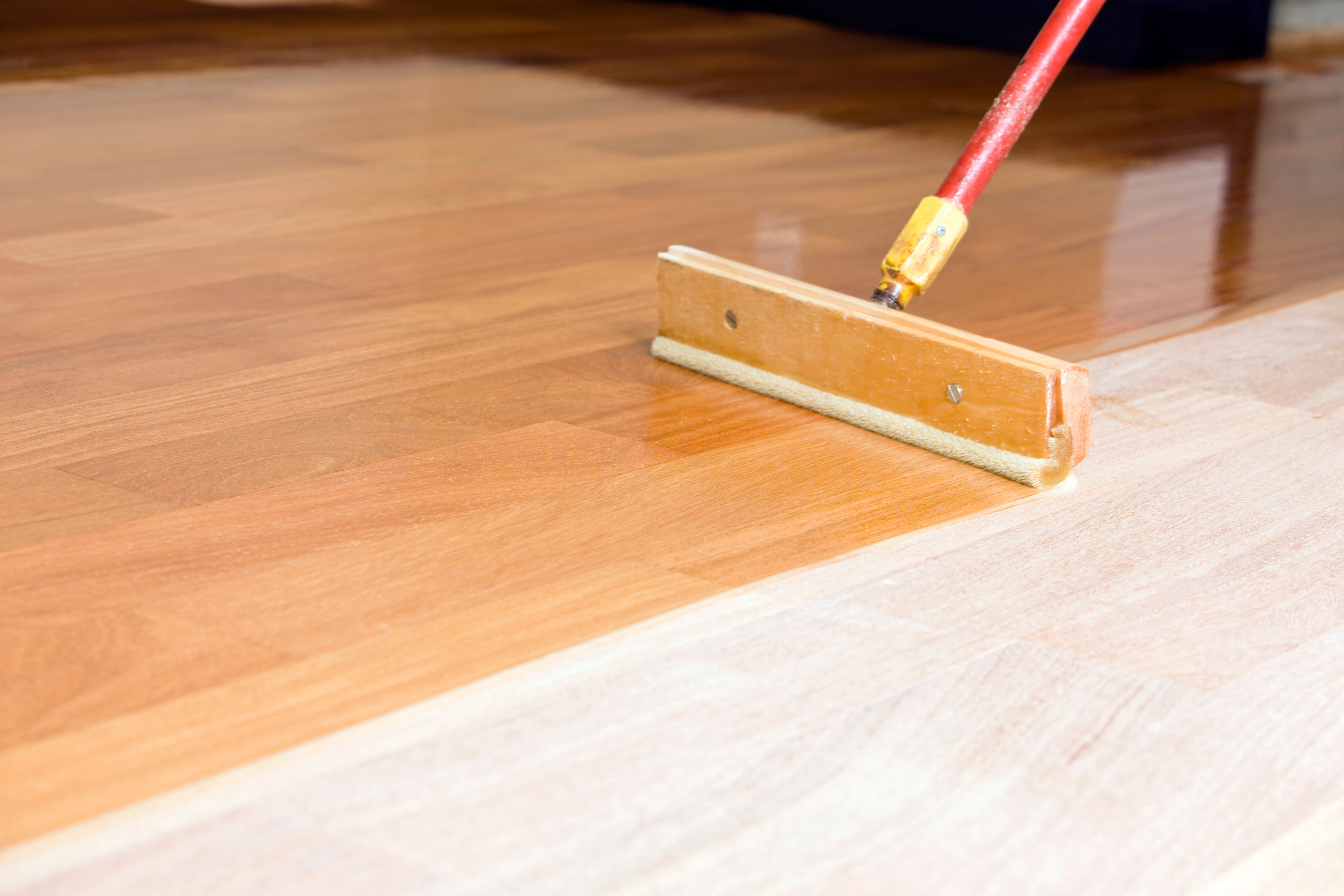
Hardwood Floor Refinishing vs. Replacement
Which Is The Better Investment?
Hardwood floor refinishing is often the better investment when your existing floors are structurally sound but show signs of surface wear, scratches, fading, or an outdated finish. Replacement becomes the more practical option when flooring has extensive water damage, severe warping, structural problems, or insufficient wood remaining for another sanding. Understanding the difference can help homeowners avoid unnecessary expenses while making improvements that last.
Hardwood flooring is valued for its natural appearance, durability, and ability to be restored over time. However, years of foot traffic, furniture movement, moisture exposure, and everyday use can leave floors looking worn or damaged. Before deciding to replace your hardwood floors, it is important to understand whether professional refinishing can restore their appearance and protective surface. We recommend evaluating the overall condition of the flooring before determining which approach makes the most sense.
- TL;DR
- Refinishing is generally more cost-effective when hardwood floors have cosmetic damage but remain structurally sound.
- Replacement may be necessary when boards have severe moisture damage, structural deterioration, or cannot safely be sanded again.
- A professional flooring evaluation can help determine whether refinishing, targeted repairs, or complete replacement provides the best long-term value.
Choose The Best Options
When to Replace Hardwood Floors
Deciding whether to refinish or replace your hardwood floors? High Definition Wood Floors explains how floor damage, overall condition, and project costs can help you determine the best option for restoring your flooring.
When Is Hardwood Floor Refinishing a Better Option Than Replacement?
One of the primary advantages of refinishing is preserving the existing flooring while avoiding the material and installation costs associated with a complete replacement. However, not every floor is suitable for repeated sanding. The thickness of the remaining wood, previous refinishing work, and condition of individual boards must be considered. We recommend examining these factors before deciding whether refinishing is a practical solution.
What Types of Hardwood Floor Damage Require Replacement?
Replacement is not always required throughout an entire room. In some situations, individual damaged boards can be removed and replaced while preserving the surrounding hardwood. This approach depends on the flooring material, installation method, availability of compatible replacement boards, and overall condition of the existing floor. Before recommending complete replacement, it is worth determining whether selective repairs combined with refinishing can restore a consistent appearance.
Is Refinishing Hardwood Floors Less Expensive Than Installing New Flooring?
New hardwood floor installation involves additional expenses, including flooring materials, removal of existing surfaces, subfloor preparation, installation labor, and finishing requirements when applicable. While replacement can be the better investment for severely damaged floors, refinishing often provides substantial visual improvement at a lower overall cost. We recommend comparing the condition of the existing flooring with the expected scope of work before making a final decision.
Restoring Existing Hardwood Flooring
How Do I Know Whether My Hardwood Floors Are Worth Saving?
Hardwood floors are often worth saving when the boards remain stable, the subfloor is in good condition, and sufficient wood remains for refinishing. Surface scratches, worn finishes, and cosmetic discoloration do not automatically mean replacement is necessary. Even some localized damage can be addressed through individual board repairs.
The most important factors are the extent of the damage, the flooring’s structural condition, and whether refinishing will provide a lasting result. We recommend having the floors evaluated before making a significant investment in replacement. Restoring existing hardwood can preserve the home’s original character while providing a refreshed appearance.
Have A Question? We Are Here To Help You!
Frequently Asked Questions
Wondering if your damaged hardwood floors can be restored? High Definition Wood Floors answers common questions about scratches, water stains, and the benefits of refinishing to help you determine the best solution for your floors.
Many badly scratched hardwood floors can be refinished if the scratches have not caused extensive structural damage. Sanding can remove numerous surface imperfections, while deeper gouges may require additional repairs or individual board replacement. The condition and thickness of the flooring determine which approach is appropriate.
Water stains do not always require hardwood floor replacement. Some discoloration can be addressed during refinishing, but deeper staining, persistent moisture, or damaged boards may require repairs or replacement. The source of the moisture must be corrected before restoration begins.
Refinishing can improve the appearance and overall condition of hardwood floors, which may make a home more appealing to prospective buyers. The effect on property value depends on the local housing market, flooring condition, and overall quality of the improvements. A well-maintained hardwood floor can be an attractive feature for homeowners and buyers alike.
