


What Should You Know Before Installing New
Hardwood Floors?
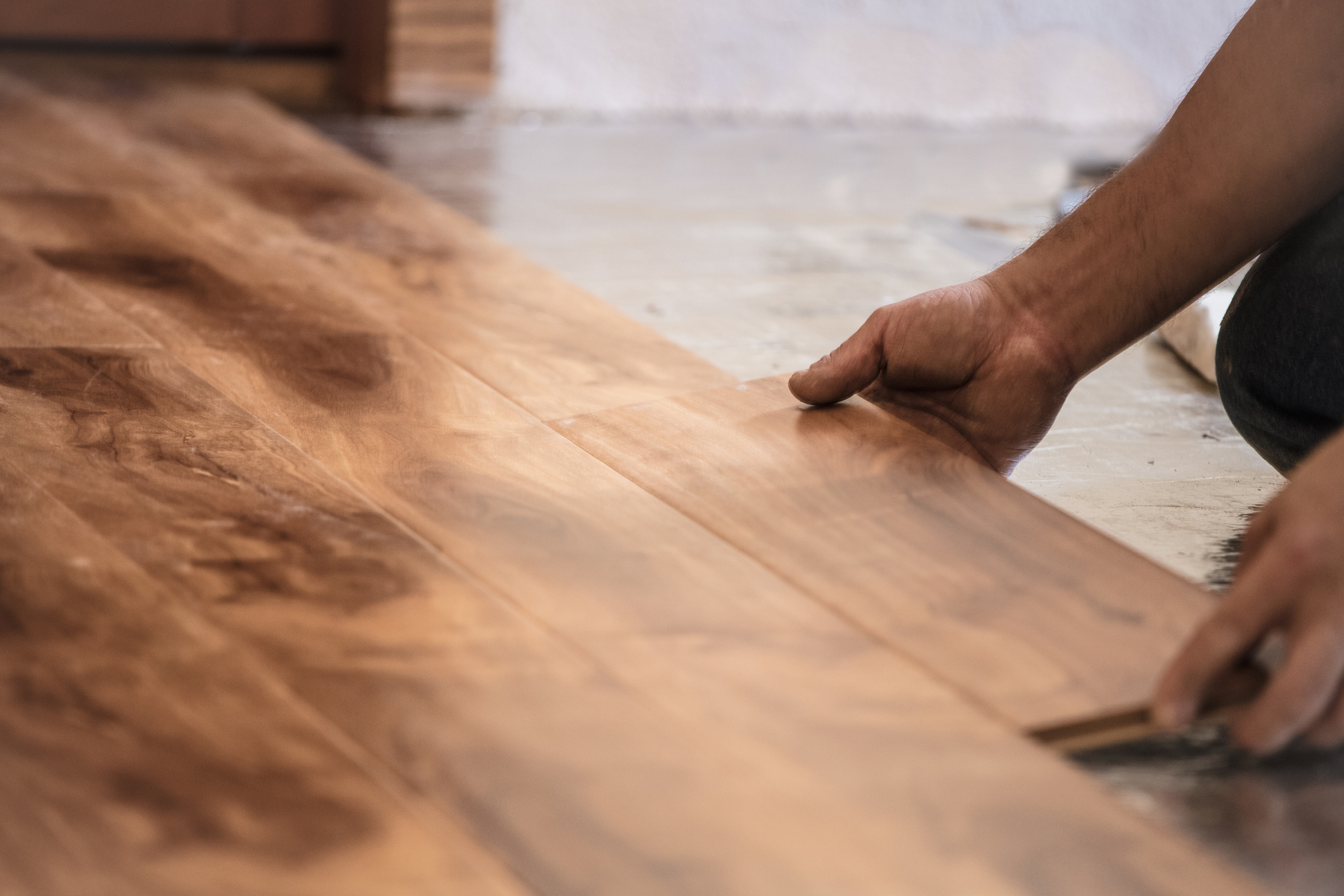
Before installing new hardwood floors, homeowners should consider the flooring material, subfloor condition, indoor moisture levels, installation method, and overall project timeline. Proper planning is important because hardwood is a natural material that responds to environmental changes, and installation conditions can affect its long-term appearance and performance. Selecting an attractive floor is only one part of creating a successful installation.
New hardwood flooring can transform the appearance of a home, but the quality of the preparation and installation process is just as important as the material itself. From choosing between solid and engineered hardwood to preparing the subfloor and allowing appropriate acclimation, several decisions should be made before installation begins. We recommend reviewing these factors early so homeowners understand what to expect and can make informed decisions about their flooring project.
- TL;DR
- Choosing the right hardwood material depends on your home's conditions, preferred appearance, and installation requirements.
- Subfloor preparation, moisture evaluation, and proper material conditioning are essential steps before installation.
- Planning for furniture removal, room access, installation time, and finishing requirements can help minimize disruptions.
Beauty & Durability
Hardwood Floor Installation Guide
Planning new hardwood floors for your home? High Definition Wood Floors explains how to choose the right materials, prepare for installation, and maintain your new flooring for lasting beauty and durability.
How Do I Choose the Right Hardwood Flooring for My Home?
Wood species also influence appearance and performance. Oak is widely used for its recognizable grain pattern and versatility, while maple, hickory, and walnut offer different colors, textures, and hardness characteristics. Plank width, stain color, and finish sheen can further influence the overall design. We recommend considering how the flooring will complement existing cabinetry, trim, furniture, and natural lighting before selecting a material.
Does Hardwood Flooring Need to Acclimate Before Installation?
Acclimation should not be based solely on leaving unopened flooring boxes in a room for a certain number of days. The wood’s moisture content, subfloor conditions, and indoor environment should be evaluated according to the product’s requirements. Some engineered hardwood products have different conditioning instructions than solid hardwood. We recommend following manufacturer guidance rather than assuming every flooring material requires the same preparation period.
Can Hardwood Floors Be Installed Over Existing Flooring?
Additional floor height is another important consideration. Installing hardwood over an existing floor can affect door clearances, transitions between rooms, baseboards, and adjoining surfaces. Before choosing this approach, we recommend evaluating the existing flooring and determining whether the new installation will meet the manufacturer’s requirements.
What Should I Do to Prepare My Home for Hardwood Floor Installation?
If the project involves unfinished hardwood, additional time may be needed for sanding, staining, and protective finishing. Prefinished hardwood products may reduce some on-site finishing requirements, but installation and preparation work still take time. We recommend discussing room access, pets, furniture storage, dust control, and project scheduling before work begins. Planning these details in advance can make the installation process more manageable.
How Long Does Hardwood Floor Installation Usually Take?
If the project involves unfinished hardwood, additional time may be needed for sanding, staining, and protective finishing. Prefinished hardwood products may reduce some on-site finishing requirements, but installation and preparation work still take time. We recommend discussing room access, pets, furniture storage, dust control, and project scheduling before work begins. Planning these details in advance can make the installation process more manageable.
Cleaning & Maintenance
How Can I Protect My New Hardwood Floors After Installation?
Protecting new hardwood floors begins with following the recommended cleaning and maintenance instructions for the selected finish. Furniture pads, entryway mats, and regular dust removal can help reduce scratches caused by everyday activity. Heavy furniture should be moved carefully rather than dragged across the surface.
Moisture control is equally important. Spills should be cleaned promptly, excessive water should be avoided during cleaning, and indoor humidity should remain within the flooring manufacturer’s recommended range. Newly finished floors may also require a curing period before furniture, rugs, or normal household activity can resume. Consistent maintenance can help preserve the appearance and performance of your new hardwood flooring.
Have A Question? We Are Here To Help You!
Frequently Asked Questions
Planning a hardwood floor installation? High Definition Wood Floors answers common questions about flooring options, installation preparation, and seasonal considerations to help you know what to expect during your project.
Prefinished hardwood arrives with a factory-applied protective coating, while unfinished hardwood is sanded and finished after installation. Prefinished flooring may reduce on-site finishing time, while unfinished flooring offers more flexibility for certain stain colors and finishing preferences. The best option depends on the desired appearance and project requirements.
Leaving your home is not always necessary, but access to certain rooms may be restricted during installation. Projects involving sanding, staining, or on-site finishing can create additional dust, odors, and drying requirements. Homeowners should discuss these conditions with their flooring contractor before work begins.
Hardwood flooring can be installed during winter when indoor temperature, humidity, and subfloor conditions meet the manufacturer's requirements. Seasonal heating can lower indoor humidity, making environmental control important before and after installation. Proper preparation matters more than the season alone.
