


Why Are My Hardwood Floors
Cupping, Buckling, or Warping?
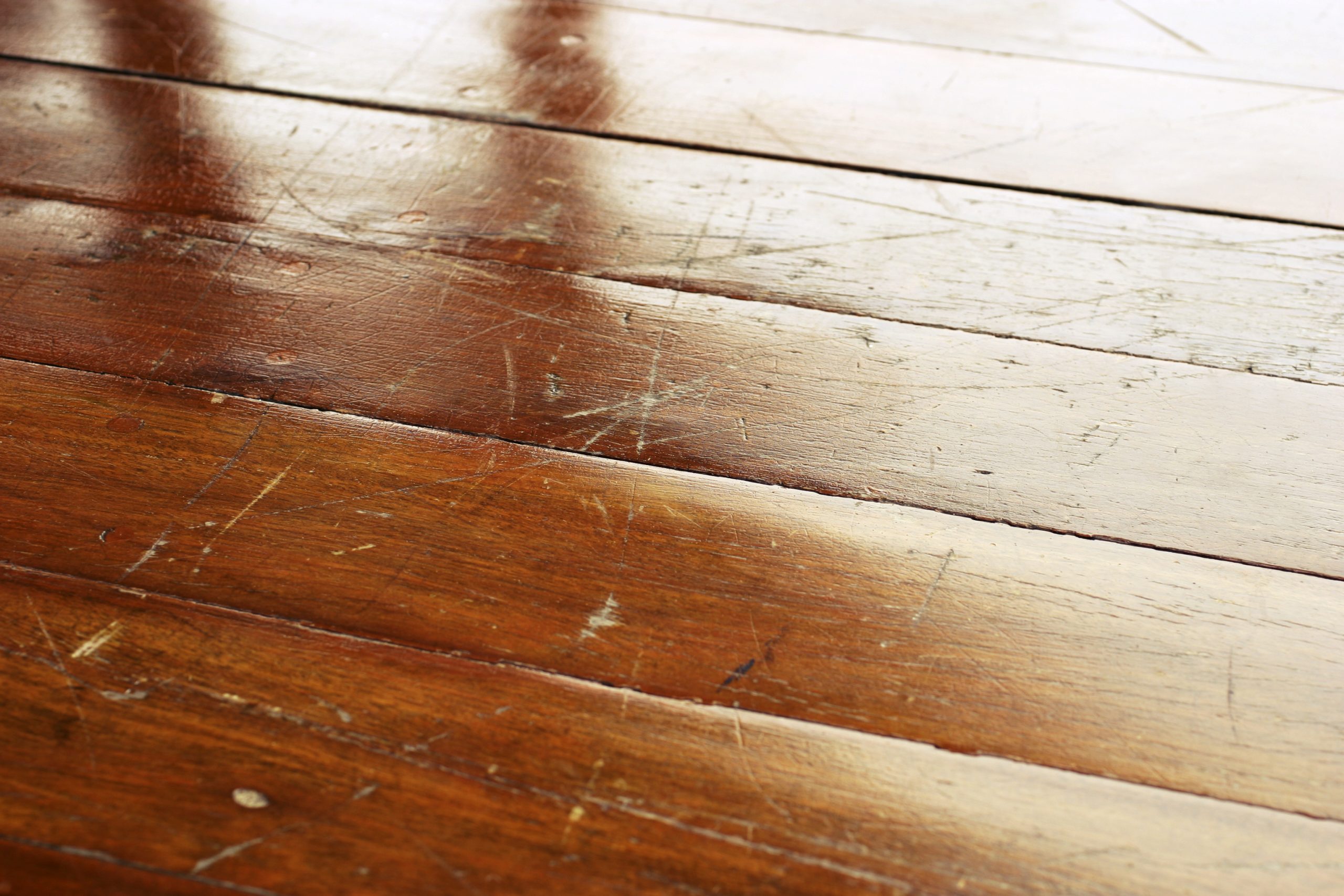
Hardwood floors commonly cup, buckle, or warp because of excessive moisture, uneven humidity levels, or changes in the conditions surrounding the flooring. Wood naturally expands when it absorbs moisture and contracts when it dries. When these changes become excessive or uneven, hardwood boards can lose their original shape, creating raised edges, uneven surfaces, or sections that lift away from the subfloor.
Moisture-related hardwood floor damage can develop from plumbing leaks, spills, high indoor humidity, wet subfloors, or inadequate moisture control during installation. Although some movement is normal with natural wood flooring, visible cupping, buckling, and warping can indicate a problem that needs attention. Identifying the cause early is important because sanding or replacing damaged boards without addressing the moisture source may allow the problem to return.
- TL;DR
- Hardwood floor cupping, buckling, and warping are commonly associated with excess moisture or significant humidity changes.
- Minor moisture-related movement may improve after conditions stabilize, but severe damage can require repairs or replacement.
- Identifying and correcting the moisture source is essential before refinishing or repairing affected hardwood floors.
Cuppping, Buckling & Warping
Understanding Hardwood Floor Warping
Cupping, buckling, or warping can affect the appearance and condition of your hardwood floors. High Definition Wood Floors explains common causes of moisture damage, prevention tips, and when professional repairs or replacement may be necessary.
What Causes Hardwood Floors to Cup?
Common causes include moisture entering through the subfloor, plumbing leaks, excessive indoor humidity, and prolonged exposure to water. Cupping can affect a small area or spread across an entire room depending on the moisture source. In some cases, boards gradually return closer to their original shape after moisture conditions stabilize. However, sanding a cupped floor before it has fully dried can create additional problems, so the underlying cause should be addressed first.
Why Is My Hardwood Floor Buckling or Lifting Away From the Subfloor?
Flooding, plumbing leaks, and moisture entering through a subfloor can cause rapid expansion. If the boards do not have enough room to expand, pressure may build until sections of flooring lift. Buckling should be evaluated promptly because it can create tripping hazards and may indicate moisture damage beneath the visible surface. Repairs depend on the extent of the problem and whether the affected materials remain structurally sound.
Can High Indoor Humidity Damage Hardwood Floors?
Repeated or extreme fluctuations can contribute to cupping, changes in board alignment, and stress on the flooring. Maintaining relatively consistent indoor humidity can help reduce these problems. Many hardwood flooring manufacturers recommend indoor relative humidity within a controlled range, but the appropriate conditions depend on the flooring product and installation requirements. We recommend following the manufacturer’s guidelines and investigating unusual moisture changes before they cause extensive damage.
Can Cupped or Warped Hardwood Floors Be Repaired Without Replacement?
Minor cupping may improve as moisture levels return to normal. More severe deformation, damaged connections, or permanently distorted boards may require selective replacement. Refinishing may help restore the appearance of stable flooring, but it should not be performed while the wood is still changing shape due to moisture. The appropriate solution depends on the condition of the boards and the underlying structure.
How Can I Prevent Hardwood Floors From Warping?
Proper installation also plays an important role. Subfloors should be evaluated for moisture, flooring materials should be conditioned according to manufacturer requirements, and appropriate expansion space should be provided. Regular maintenance and attention to changes in the floor’s appearance can help homeowners identify potential problems before they become more serious.
Call Us Today To Get Started
When Should I Call a Professional About Uneven Hardwood Floors?
A professional evaluation is recommended when hardwood floors develop noticeable cupping, raised sections, persistent gaps, or areas that feel unstable underfoot. These symptoms may indicate moisture-related movement, installation problems, or damage beneath the flooring. A professional assessment can help distinguish normal seasonal changes from conditions requiring repairs.
If the damage appears after a leak or flooding event, addressing the moisture source should be the immediate priority. We recommend avoiding sanding or attempting permanent repairs until the flooring has been evaluated and moisture conditions have stabilized. This helps reduce the risk of repeating the same damage after restoration.
Have A Question? We Are Here To Help You!
Frequently Asked Questions
Have questions about cupped or warped hardwood floors? High Definition Wood Floors explains how moisture affects your flooring, when damage may improve, and when professional repairs or refinishing may be needed.
Some cupped hardwood floors may flatten as moisture levels stabilize, particularly when the damage is relatively minor. However, recovery depends on how long the boards were exposed to moisture and whether permanent deformation occurred. Severe cupping may require repairs or replacement.
A dehumidifier may help control excessive indoor humidity and support the drying process, but it will not automatically repair boards that have become permanently distorted. Moisture conditions should be monitored carefully, and the underlying source of water should be addressed. Significant damage may require professional restoration.
Cupped hardwood floors should not be sanded until the moisture problem has been corrected and the flooring has stabilized. Sanding too early can create uneven results if the boards later return toward their original shape. A professional evaluation can help determine when refinishing is appropriate.
