


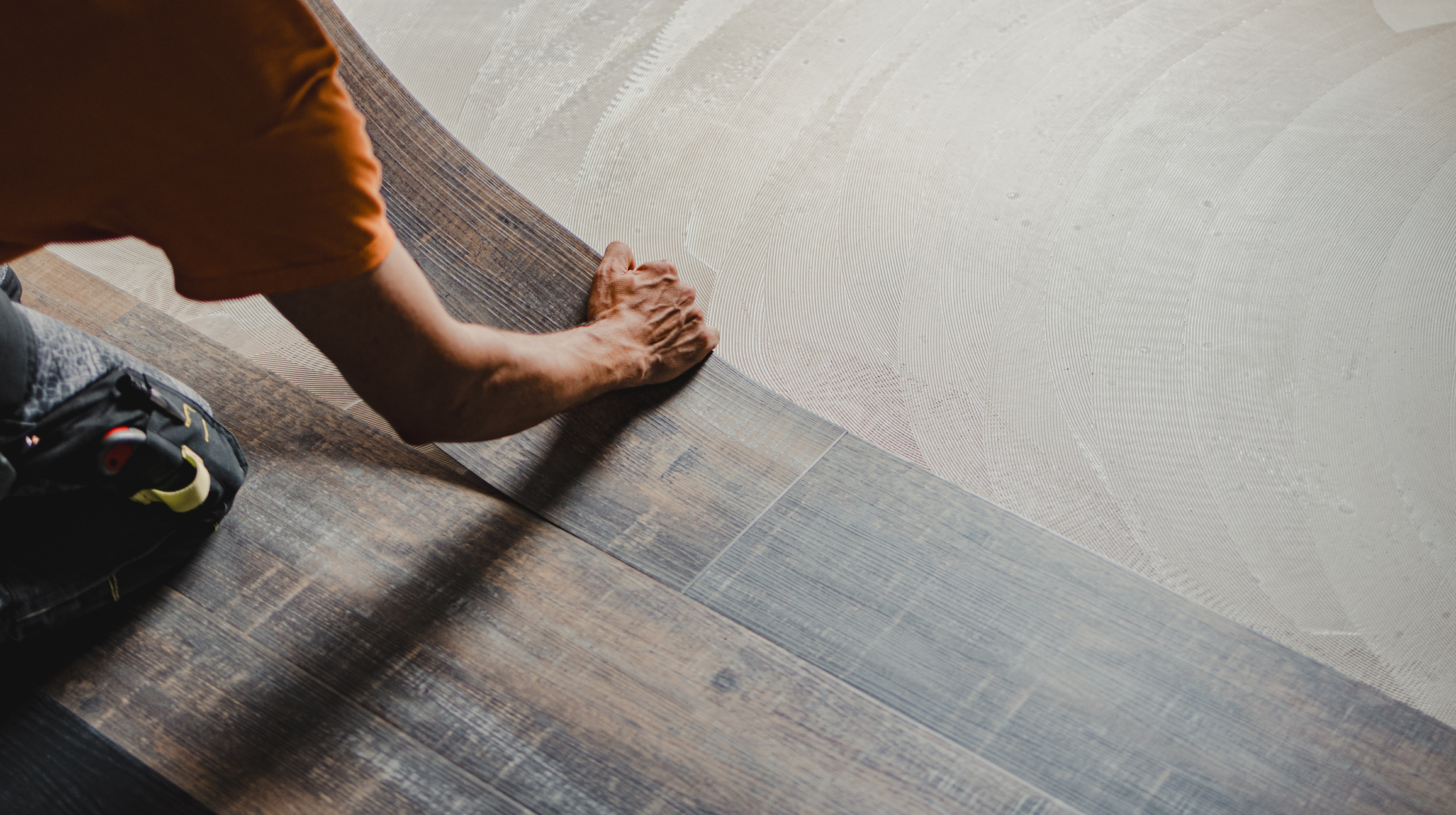
Hardwood vs. Luxury Vinyl vs. Laminate
Which Flooring Is Right for Your Home?
Hardwood, luxury vinyl, and laminate flooring each offer different advantages, and the best choice depends on your budget, preferred appearance, maintenance expectations, and the conditions in your home. Hardwood provides the natural character of real wood and may be refinished over time, while luxury vinyl and laminate offer manufactured alternatives designed to reproduce the appearance of wood with different performance characteristics.
Choosing new flooring involves more than selecting a color or plank style. Homeowners should consider moisture exposure, household activity, installation requirements, long-term maintenance, and whether the flooring can be repaired or restored in the future. Understanding how these materials differ can help you make a decision that fits both your immediate needs and long-term plans.
- TL;DR
- Hardwood flooring offers natural wood character and the potential for refinishing, depending on its construction and condition.
- Luxury vinyl is available in water-resistant and waterproof product designs, making it worth considering for moisture-prone areas.
- Laminate offers a manufactured wood-look surface, but its moisture resistance, durability, and repair options vary by product.
Long-Term Value
Choosing the Right Flooring
Choosing the right flooring involves more than appearance. High Definition Wood Floors compares hardwood, luxury vinyl, and laminate flooring to help you understand their durability, moisture resistance, and long-term value.
What Is the Difference Between Hardwood, Luxury Vinyl, and Laminate Flooring?
Luxury vinyl flooring is manufactured from synthetic materials and uses a decorative layer to imitate wood, stone, or other surfaces. Laminate flooring typically uses a photographic design layer over a manufactured core, along with a protective wear surface. Both can resemble hardwood, but neither offers the same natural wood construction. The differences in materials affect moisture performance, maintenance, repair options, and long-term value.
Which Flooring Material Is Most Durable for Busy Households?
Luxury vinyl and laminate flooring are manufactured with protective wear surfaces designed to withstand everyday activity. However, their performance varies by product quality, wear-layer construction, and installation conditions. Scratches, dents, moisture exposure, and heavy furniture can affect all flooring materials. For busy households, we recommend comparing product specifications and maintenance requirements rather than assuming one material is universally more durable.
Which Flooring Is Best for Kitchens, Basements, and Moisture-Prone Areas?
Hardwood flooring can be installed in certain kitchens when appropriate moisture precautions are taken, but prolonged exposure to standing water can cause swelling, cupping, or deterioration. Basements require additional consideration because concrete slabs and below-grade environments can introduce moisture-related challenges. Laminate products vary considerably in their water resistance. Before selecting any flooring, we recommend evaluating the room’s conditions and reviewing the manufacturer’s approved installation locations.
Investment, Lifespan, Maintenance, Repair & Restoration
Which Flooring Offers the Best Long-Term Value?
Long-term flooring value depends on the initial investment, expected lifespan, maintenance requirements, and whether the material can be repaired or restored. Hardwood often has a higher initial cost than many vinyl or laminate products, but its potential for refinishing can provide an advantage over time.
Luxury vinyl and laminate may offer lower upfront costs depending on the product selected, but damaged or worn surfaces generally cannot be restored through traditional hardwood refinishing. Replacement may eventually be necessary when the protective surface reaches the end of its useful life. Homeowners should consider how long they plan to remain in the home, the expected traffic, and future maintenance costs before choosing a flooring material.
Have A Question? We Are Here To Help You!
Frequently Asked Questions
Choosing between hardwood, vinyl, and laminate flooring? High Definition Wood Floors answers common questions about durability, maintenance, and refinishing to help you find the right flooring for your home.
Hardwood flooring can last for decades when properly installed and maintained, and many products can be refinished to extend their useful life. Luxury vinyl and laminate flooring also offer durable options, but their longevity depends on product quality and use. Most manufactured flooring surfaces cannot be refinished in the same way as hardwood.
Luxury vinyl and laminate generally require straightforward routine cleaning, while hardwood requires additional attention to moisture control and finish protection. All three materials benefit from regular dust removal and prompt spill cleanup. Cleaning products should always be selected according to the flooring manufacturer's recommendations.
Luxury vinyl and laminate cannot be sanded and refinished using traditional hardwood floor restoration methods. Their decorative and protective layers are manufactured rather than solid wood. When these surfaces become significantly damaged, replacing individual planks or sections may be necessary.
